
Running paid ads on Google or social media to get quick traffic and leads.
PPC Marketing: The Fastest Way to Drive Traffic, Leads & Sales
In today’s competitive digital landscape, businesses can’t rely on organic strategies alone. When you need instant visibility and faster conversions, PPC (Pay-Per-Click) marketing becomes the most effective and measurable way to grow. Whether you’re promoting a product, generating leads, or scaling an online business, PPC gives you the power to appear in front of the right audience at the right time—exactly when they’re ready to take action.
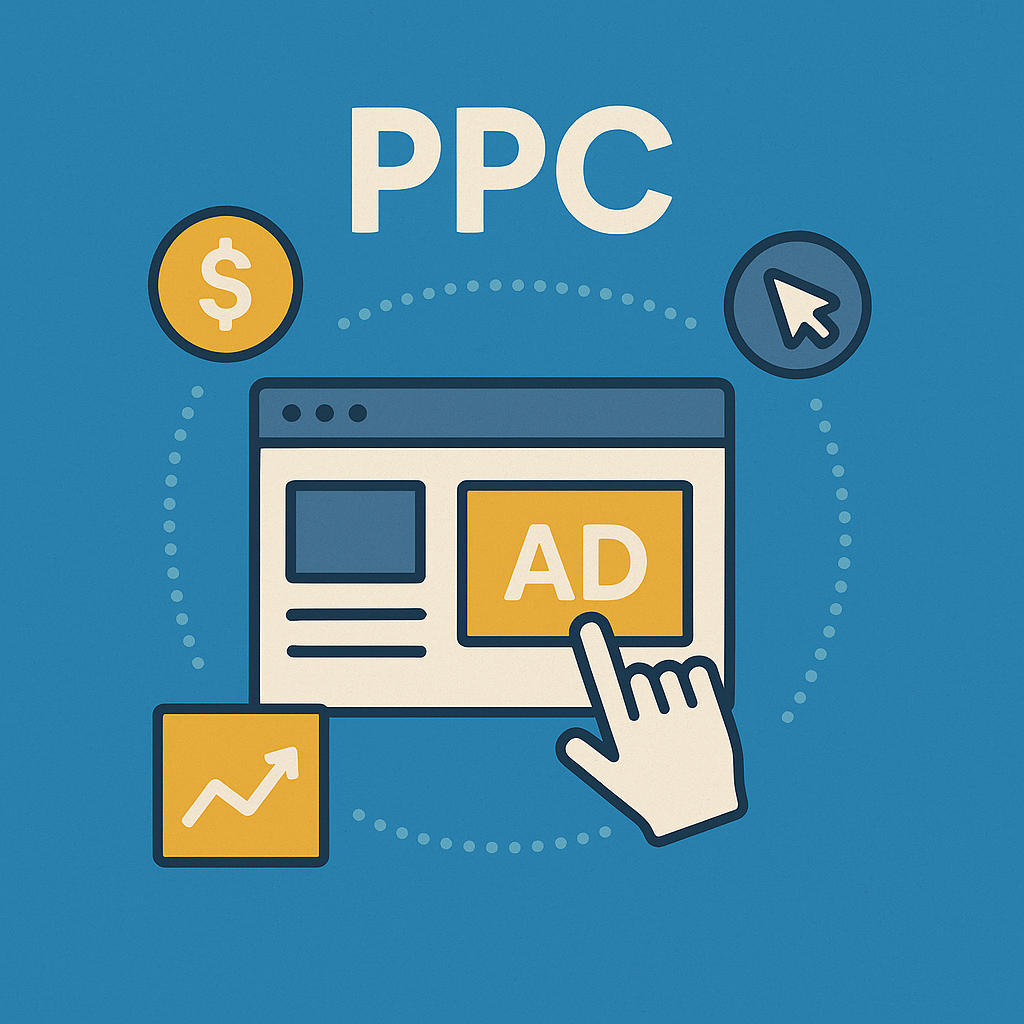
What Is PPC Marketing?
PPC, or Pay-Per-Click, is an online advertising model where advertisers pay a fee each time someone clicks on their ad. Instead of earning traffic organically, you buy visits—but in a highly targeted way.
PPC ads can appear on:
Google Search
YouTube
Facebook & Instagram
LinkedIn
Display Networks
Shopping Ads
Remarketing Campaigns
In simple words:
PPC = You pay only when someone shows interest (via a click).
Why PPC Is Essential for Modern Businesses
1. Instant Visibility
Want leads today? PPC campaigns can start driving traffic within minutes of going live.
2. Highly Targeted Reach
Choose who sees your ads—based on location, age, interests, behavior, keywords, devices, and more.
3. Full Control Over Budget
Whether you have ₹300/day or ₹30,000/day, PPC allows complete control and flexibility.
4. Measurable & Trackable Results
Every click, impression, conversion, and cost is tracked—making optimization easier.
5. Faster Conversions
You reach users who are already searching for your service or showing buying intent.
6. Perfect for A/B Testing
Test ads, landing pages, visuals, and audiences to find the winning combination.
Types of PPC Campaigns
✔ Google Search Ads
Appear at the top of Google for specific keyword searches.
✔ Display Ads
Banner ads shown on websites across the internet.
✔ Video Ads (YouTube)
Great for brand awareness and storytelling.
✔ Social Media Ads
Facebook, Instagram, LinkedIn, and more—perfect for interest-based targeting.
✔ Shopping Ads
Ideal for e-commerce brands showcasing product images and prices.
✔ Remarketing Ads
Target people who visited your website but didn’t convert.
How PPC Works (In Simple Steps)
1. Keyword Research
Identify high-intent keywords people use to search for your service or product.
2. Ad Creation
Write engaging headlines, descriptions, and create compelling visuals.
3. Landing Page Optimization
Ensure the user lands on a fast, clean, conversion-focused page.
4. Bidding Strategy
Choose how much you’re willing to pay for each click or conversion.
5. Campaign Launch
Once your ads go live, they start appearing instantly.
6. Performance Tracking & Optimization
Monitor metrics like CTR, CPC, CPA, and ROAS to improve performance.
Benefits of PPC for Businesses
Immediate traffic boost
Higher conversion rates
Precision targeting
Better ROI compared to traditional ads
Great for new websites that don’t rank organically
Excellent for testing new offers or markets
Common Mistakes to Avoid in PPC
Targeting too broad an audience
Using generic ad copies
Sending users to poor-quality landing pages
Not using negative keywords
Ignoring conversion tracking
Focusing only on traffic, not on ROI
The Future of Pay Per Click Marketing
With AI-driven bidding, improved audience insights, and smarter automation, PPC is becoming more powerful than ever. Brands that adapt quickly and focus on high-quality ads, landing pages, and data-driven strategies will continue to dominate the paid marketing space.
Conclusion
PPC marketing is one of the fastest and most efficient ways to scale a business. Whether you want instant leads, more sales, or stronger brand visibility, PPC helps you reach the right audience at the right moment. When paired with strong landing pages and a well-structured strategy, PPC becomes a growth engine that delivers predictable and measurable results.